
BRIEF ·
EES explained: what now happens at Europe's borders
The Entry/Exit System replaced passport stamps with a digital record of every visit.
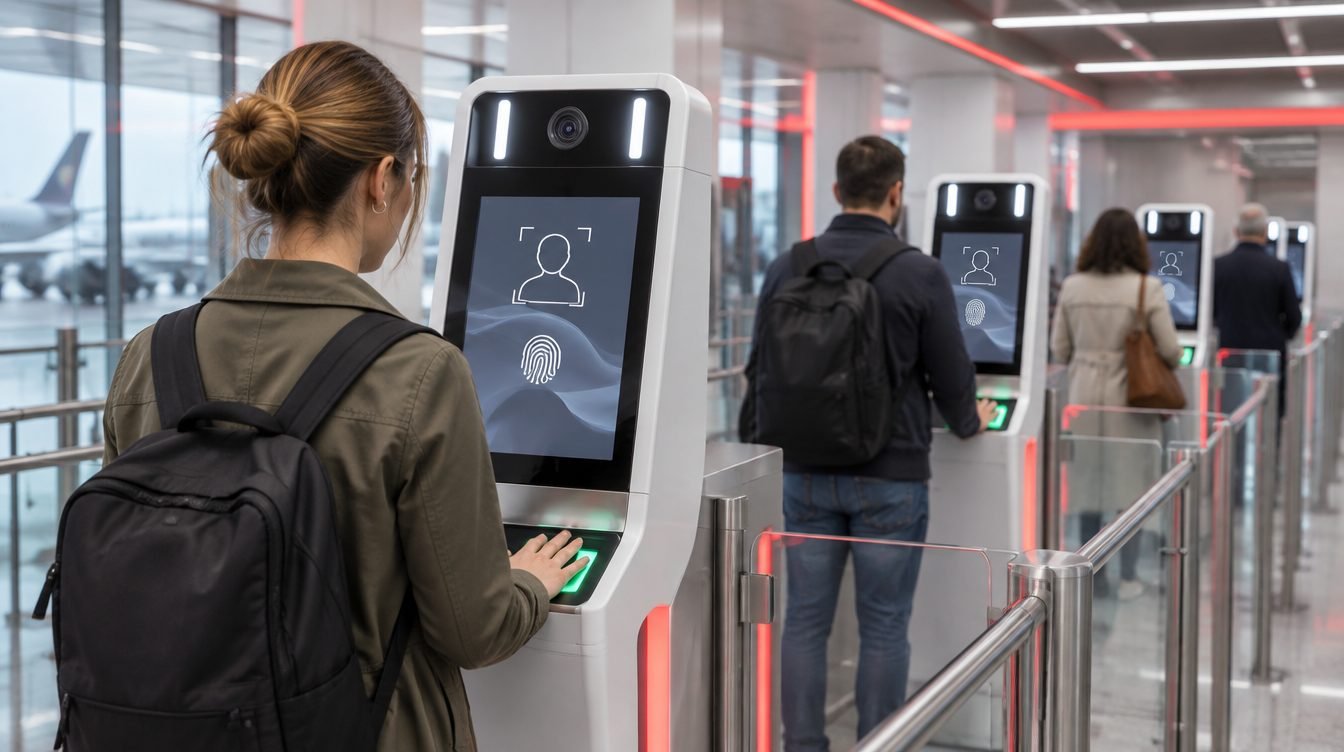
The Entry/Exit System (EES) is the EU's digital register of short-stay visitors from outside the EU. The European Commission set October 12, 2025 as the start of a phased rollout, and the system became fully operational on April 10, 2026.
Who it applies to
Non-EU nationals travelling for a short stay (generally up to 90 days in any 180) in the 29 participating European countries. That includes visitors who don't need a visa, such as Americans, Britons, Canadians, Australians and Japanese travelers. EU citizens are not registered.
What it records
- Your name and travel-document details
- Fingerprints and a facial image
- The date and place of each entry and exit
- Any refusal of entry
What that means for you
- Your first crossing takes longer because your biometrics are captured. Many airports use self-service kiosks for part of the process.
- Later crossings should be quicker, since your record already exists.
- The system counts your days automatically, so overstaying the 90-day limit is easy to detect.
EES is not ETIAS. EES is a border record and there's nothing to apply for. ETIAS will be a pre-travel authorization, but it is not yet in operation.
Information only, not immigration or legal advice. Verified against official sources on November 9, 2026; rules can change, so confirm on the linked official page before you travel.